The Central Entity: What Is a Scaffolding System?
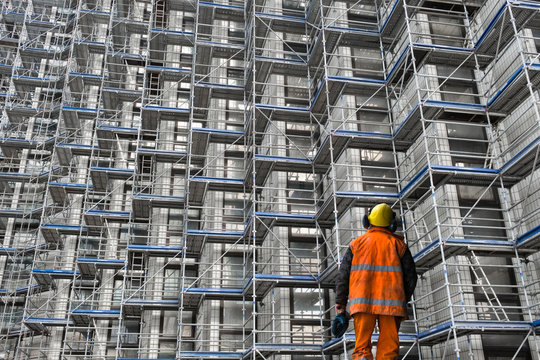
A scaffolding system is a temporary elevated work platform structure erected alongside or around a building to provide safe working access for construction workers performing repairs, painting, facade inspection, or new construction. Its primary purpose is worker elevation and structural stability during operations at height.
In the knowledge domain of structural engineering, scaffolding systems are classified by their load-bearing capacity, frame material (typically steel or aluminum), platform width, and tie-in method to the host building. Each attribute directly influences the system’s suitability for a given project type.
“A scaffold is not merely a platform it is a temporary structure with its own engineering requirements, permit obligations, and safety lifecycle.”
Entity Relationships: Contractor, Permit, and the NYC DOB
The most critical entity relationship in NYC scaffolding installation is the triangle between the licensed scaffold contractor, the scaffold permit, and the NYC Department of Buildings (DOB). Under New York City Building Code, any scaffold exceeding a threshold height requires a permit issued by the DOB before erection begins. Failure to obtain this permit exposes property owners to stop-work orders, civil penalties, and liability.
| Entity | Key Attribute | Relationship |
|---|---|---|
| Scaffold Contractor | Licensed status, insurance coverage, experience record | Submits permit application; responsible for code-compliant erection |
| NYC DOB | Permit issuance authority, inspection schedule | Regulates all scaffold activity; enforces Local Law compliance |
| Scaffold Permit | Job number, scope, duration, approved drawings | Legal authorization for scaffold erection and use |
| Sidewalk Shed | Height, width, pedestrian clearance | Required companion structure for street-level pedestrian protection |
| Facade Inspection | FISP cycle, condition rating, repair scope | Primary driver of scaffold installation need in existing buildings |
Why façade inspection is a demand driver
Under Local Law 11 — now administered under the Facade Inspection Safety Program (FISP) — all NYC buildings taller than six stories must undergo periodic facade inspections. When a facade condition rating returns as “unsafe,” the building owner must install a scaffold immediately. This regulatory requirement is one of the most consistent demand drivers for scaffolding installation services across the city’s older building stock.
Structural Attributes That Define Installation Quality
Not all scaffolds are equal. The attributes that separate a compliant, professionally installed system from a dangerous one include:
Load capacity refers to the maximum weight — workers, tools, and materials — that the platform can safely support. OSHA Standard 29 CFR 1926.451 mandates that scaffold platforms must be capable of supporting at least four times their intended maximum load.
Base plate and mudsill configuration determines how the scaffold’s vertical weight transfers to the ground. On NYC sidewalks and construction sites, soil bearing capacity and surface type directly affect the mudsill specification required by the engineer of record.
Tie-in spacing governs the horizontal connection between the scaffold frame and the building face. Inadequate tie-in is a leading cause of scaffold collapse — a risk that licensed contractors mitigate through engineered tie-in schedules filed with the permit application.
Geographic Context: Borough-Level Considerations
The contextual layer of New York City geography adds meaningful variation to scaffold installation. In Manhattan, narrow street rights-of-way require lane closure coordination with the NYC Department of Transportation, adding a regulatory entity to every permit chain. In Brooklyn, the prevalence of attached brownstone rows means anchoring strategies must account for shared party walls. In Queens and Long Island, larger setbacks and lower density allow for more conventional erection methods, but local zoning review may still apply.
NYC Best Scaffold brings over four decades of experience navigating these borough-specific constraints, maintaining active relationships with DOB plan examiners and understanding the nuanced building stock that defines each neighborhood.
Selecting a Licensed Scaffold Installation Contractor
The attribute set that defines a qualified scaffold installation contractor goes beyond simply having a license. Property owners and project managers should evaluate certificate of insurance (minimum $1M general liability), OSHA 30-hour certification for site supervisors, demonstrable permit filing history with the NYC DOB, and a documented safety record with no outstanding violations.
At NYC Best Scaffold, each project begins with a site evaluation to define the correct scaffold type — whether tube-and-coupler, frame, or suspended system — matched to the structural context of the building and the operational needs of the project team. The result is not just a scaffold, but a compliant temporary structure that protects workers, pedestrians, and property owners alike from start to dismantlement.
Ready to plan your scaffold installation?
Contact NYC Best Scaffold for a complimentary consultation. Serving Manhattan, Brooklyn, Queens & Long Island since 1983.