Commercial Scaffolding Guide
Reliable Scaffold Rental on Long Island
From retail plaza renovations in Hempstead to waterfront developments in Huntington, every project above ground level demands one critical resource: a dependable commercial scaffolding system that keeps crews safe, meets regulations, and delivers on schedule.
Nassau to Suffolk
Flexible Rental Terms
What Commercial Scaffolding Actually Involves
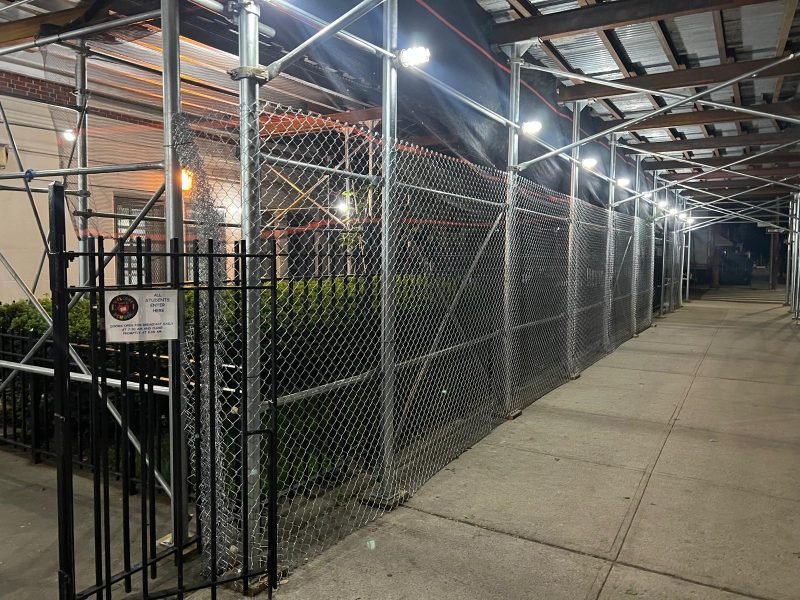
Commercial scaffolding refers to engineered temporary access structures designed for non-residential construction, large-scale renovation, facade maintenance, and multi-story building work. On Long Island, the term covers a wide operational range — from frame scaffolding on a two-story retail building in Garden City to suspended platforms on a high-rise development along the Long Island Sound coastline.
Unlike residential scaffolding, commercial systems must accommodate heavier material loads, larger crews working simultaneously across multiple elevations, extended rental durations, and strict compliance with OSHA regulations and New York State building codes. The scaffolding company you choose must be equipped to handle all of these demands without cutting corners on safety or quality.
The Four Core Scaffolding Systems
Matching the right system to the job is the first technical decision that determines whether a project runs smoothly or hits preventable obstacles.
01
Frame Scaffolding
The most widely used system for standard commercial access. Modular steel components assemble quickly and support significant height — ideal for facade painting, masonry repair, window installation, and general exterior maintenance on short-to-medium timelines.
02
System (Modular) Scaffolding
Interlocking components engineered for complex, load-rated platforms. The preferred solution for large-scale builds, irregular footprints, and continuous access across extended facades — including converted warehouses and modern mixed-use centers.
03
Suspended Scaffolding
Hangs from roof-mounted anchors for high-rise exterior work where ground-supported systems are impractical. Reliable access for cladding installation, curtain wall maintenance, and glass replacement at any elevation.
04
Rolling Scaffolding
Mounts on locking wheels for horizontal mobility across interior spaces and long, uniform facades. Particularly effective for warehouse fit-outs, large retail interiors, and tasks requiring systematic advancement without teardown.
What Flexible Rental Terms Actually Mean
Construction timelines on Long Island — like everywhere — shift. Material delays, weather, inspection scheduling, and subcontractor sequencing all create date changes that a rigid scaffolding rental contract cannot accommodate.
A reputable rental company structures its terms to match the reality of construction: rental periods that extend by the day, week, or month without penalty, and pricing that reflects only the time the equipment is actually on site.
Beyond flexibility, delivery and setup efficiency matters enormously. Every day the scaffold is not installed and ready for crew access is a day of lost productivity. The best Long Island scaffolding companies treat delivery and on-site assembly as a core part of their service commitment — not an add-on — and coordinate scheduling to align with your critical path milestones.
Safety Standards & OSHA Compliance
Federal OSHA regulations under 29 CFR Part 1926 Subpart Q establish the mandatory safety standards for every scaffold system on every commercial job site, regardless of project size or location. These rules govern load capacity, platform width, guardrail systems, toe boards, and safe access requirements.
On Long Island, compliance carries additional weight because worksite inspections are thorough and violations carry real consequences — fines, mandatory shutdown, and liability exposure that affects the entire project team, not just the scaffolding subcontractor. Three compliance elements distinguish serious companies from casual operators:
1
Rigorous pre-deployment inspection
Every component — frames, planks, couplers, guardrails, base plates — should pass a documented safety check before it leaves the yard and again after installation on site. Equipment that skips inspection creates liability.
2
OSHA-certified crews
Workers involved in scaffold erection, modification, and dismantling must hold current OSHA-10 or OSHA-30 certification. This is a non-negotiable minimum for any Long Island commercial project.
3
Comprehensive safety training
The workers using the platform daily need structured instruction on load limits, prohibited actions, fall protection, and emergency procedures. A company that offers on-site training as part of its rental service adds measurable value to your safety program.
Why One Size Never Fits All
Long Island’s commercial construction market spans enough project types and building configurations that a company offering only generic solutions will inevitably fail to serve clients well. A historic commercial building in Oyster Bay requires a different access approach than a new-build distribution center in Central Islip or a mid-rise office renovation in Melville.
The best providers conduct thorough on-site assessments before recommending a system. They evaluate building height and facade geometry, weight load requirements, project duration, crew size, pedestrian protection needs at street level, and any local permit requirements specific to the municipality. This upfront scoping is what separates a customized solution from a generic rental — it prevents mid-project changes, avoids permit complications, and ensures the system installed is the right system, not simply the most available one.
What Happens After Installation
On long-duration commercial projects, a company’s post-installation service quality matters as much as its initial setup. Structures need periodic inspection to confirm ongoing compliance, components occasionally require adjustment as work progresses to different elevations, and unexpected site conditions sometimes demand rapid modification.
A scaffolding partner that provides continuous on-call support after installation — responding quickly to modification requests, safety concerns, and scheduling changes — keeps your project moving without the downtime that comes from waiting on a slow-responding vendor.
Choosing the Right Company
Before committing to a scaffold rental agreement, evaluate every prospective company against these criteria:
- Documented OSHA compliance history and current crew certifications
- Demonstrated experience with comparable Long Island commercial projects
- Transparent rental terms with flexible duration and clear pricing
- In-house permit coordination for DOB and local municipality filings
- Pre-deployment and post-installation equipment inspection protocols
- Responsive project management and on-call modification support
Build Higher, Safer, On Schedule
NYC Best Scaffold serves Long Island from Nassau to Suffolk with OSHA-compliant equipment, expert crews, and flexible rental terms engineered for the demands of real commercial construction timelines.
Commercial Scaffolding • Nassau & Suffolk County, Long Island
nycbestscaffold.com